In-Depth Analysis of Carbon Fiber for Marine Engineering
The demand for improved performance and reduced environmental impact in the marine sector drives the adoption of advanced materials such as carbon fiber. By integrating carbon fiber, boats experience up to a 40% decrease in weight compared to traditional materials, enhancing efficiency and sustainability. This detailed analysis examines the engineering use of carbon fiber for marine applications, focusing on its properties, application-specific performance needs, and technical evaluations. With over two decades of expertise, Impact Materials ensures solutions that adhere to international standards and the evolving requirements of the marine industry.
Core Insights
- Carbon fiber features a tensile strength of 3,500 MPa to 5,000 MPa, optimal for marine engineering.
- Proper composite selection can achieve vessel weight reductions of up to 40%.
- Carbon fiber’s resistance to corrosion makes it suitable for hulls and masts.
- Ensure suppliers hold ISO 9001 certification and supply full COA documentation.
Technical Exploration of Carbon Fiber in Marine Contexts
Advantages of Carbon Fiber in Marine Engineering
Carbon fiber is highly favored in the marine industry due to its exceptional strength-to-weight ratio, crucial for enhancing vessel performance. It offers tensile strength in the range of 3,500 MPa to 5,000 MPa while remaining lightweight, significantly boosting speed and fuel efficiency. Furthermore, its excellent corrosion resistance ensures durability in challenging marine environments.
For more detailed specifications and procurement strategies, refer to ictmaterial.com, a comprehensive resource for technical professionals.
Critical Specifications
When choosing carbon fiber for marine purposes, technical factors such as fiber volume fraction and resin compatibility are paramount. Typical fiber volume fractions span from 55% to 60%, achieving an optimal balance between stiffness and flexibility. Compliance with standards like ISO 14125 and ASTM D3039 is crucial for verifying mechanical properties.
- Tensile Strength: 3,500–5,000 MPa
- Fiber Volume Fraction: 55%–60%
- Density: 1.6 g/cm³
- Operational Temperature Range: -40°C to 80°C
Material Comparison: Carbon Fiber vs. Alternatives
Carbon fiber offers significant benefits over conventional materials such as fiberglass and aluminum. Although fiberglass is widely used, it falls short in tensile strength and weight efficiency. The following table outlines key distinctions:
| Property | Carbon Fiber | Fiberglass |
|---|---|---|
| Tensile Strength (MPa) | 3,500–5,000 | 1,200–3,000 |
| Density (g/cm³) | 1.6 | 2.5 |
| Corrosion Resistance | High | Moderate |
| Flexural Modulus (GPa) | 230 | 45 |
Deployment of Carbon Fiber in Marine Engineering
Structural Applications
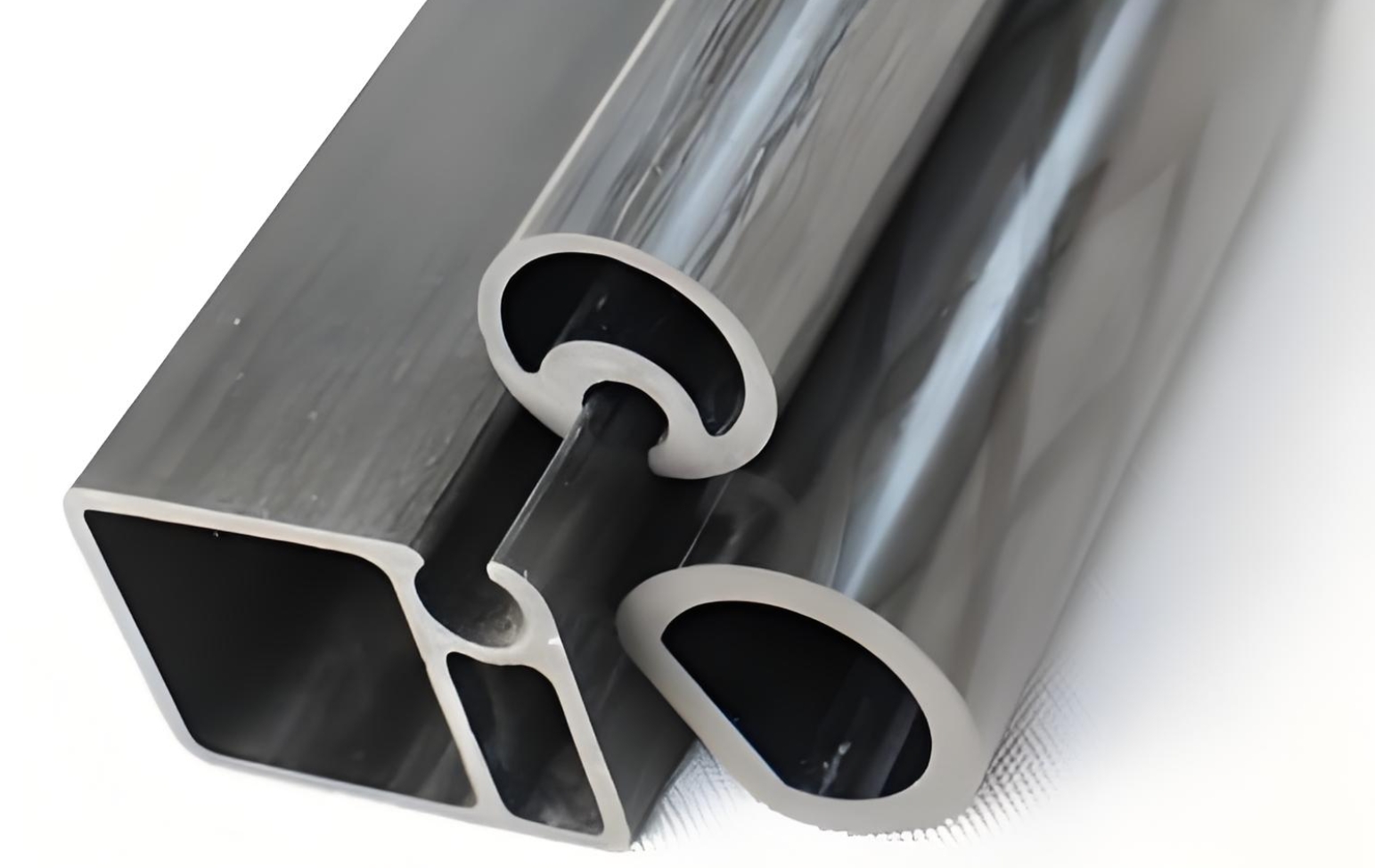
Carbon fiber’s superior strength and low weight make it a preferred choice for constructing marine hulls and decks. Products like the Special Section Pultruded Carbon Fiber Rod offer critical support for significant marine infrastructure.
Masts and Rigging Solutions
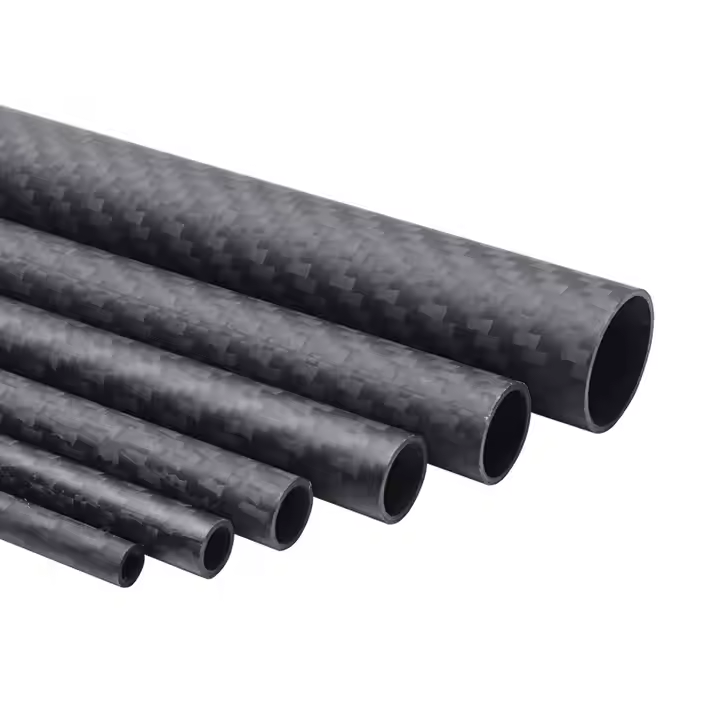
In yacht masts and rigging, carbon fiber boosts sailing performance. Its rigidity and minimal weight reduce drag, aiding in higher speeds and precision maneuvering. The Customized Round CFRP Carbon Fiber Tube is particularly well-suited for these purposes.
Interior Integration
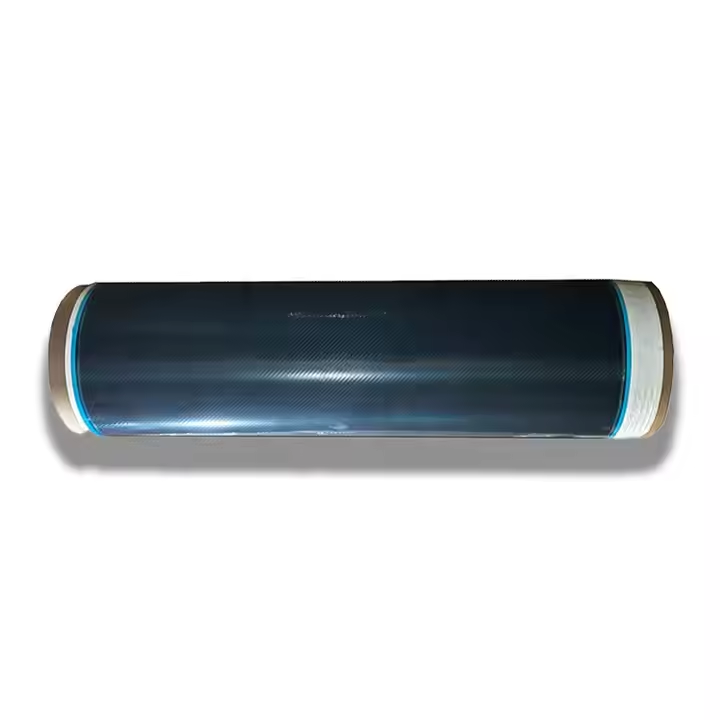
Carbon fiber is also used for interior components, such as seating and cabinetry, offering both aesthetic appeal and structural integrity. This enables elegant interiors without the burden of additional weight. Implementing 3K Twill Carbon Fiber Fabric ensures a high-quality finish with dependable durability.
Featured Marine Carbon Fiber Products
Explore top-rated carbon fiber products for marine applications from Impact Materials, trusted across more than 120 countries.
Considerations for Sourcing and Procurement
Ensuring Quality
Quality assurance is critical when acquiring carbon fiber. Verify that suppliers are ISO 9001 certified to guarantee high manufacturing standards. Always request a Certificate of Analysis (COA) to confirm material characteristics.
Selecting the Right Supplier
Opt for suppliers with a proven history, such as Impact Materials, known for over 3,200 successful project completions globally. Evaluation criteria should include production capabilities, customization options, and logistics proficiency.
- ISO 9001 Certification
- COA Verification
- Global Shipping Capabilities
- Customization Services
Logistical Considerations
When planning procurement, take into account factors like lead times and minimum order quantities (MOQ). Evaluating these logistical elements ensures smooth delivery and project timelines.
For more information on purchasing, consider options to buy carbon fiber for marine applications through trusted suppliers.
To explore innovative carbon fiber solutions for marine environments, visit Impact Materials for carbon fiber for marine solutions and discover how these advanced materials can enhance your next project.